Laser Cutting Art: Plywood Basket B Review
As a brand designer who has spent the last decade helping local businesses transition from kitchen-table startups to shelf-ready brands, I have learned that the difference between a hobbyist product and a professional brand often lies in the details of presentation. Recently, I incorporated the Digital File Plywood Embroidery Basket B into a packaging prototype for a boutique artisanal soap company, and the results offered valuable insights into how digital assets can elevate physical products. This review explores the practical application of this asset for small business branding, focusing on its utility in Laser Cutting projects and its role within the broader category of Other Art.
First Impressions and Brand Mood
The first thing that strikes you about the Digital File Plywood Embroidery Basket B is its structural elegance. It is not merely a container; it is a statement piece. The design suggests a brand personality that is organic, handmade, and deeply rooted in craftsmanship. For a local business, this asset communicates warmth and authenticity. It feels rustic yet refined, making it an ideal fit for brands that want to emphasize natural ingredients or traditional methods. Whether you are running a florist shop, a candle brand, or a handmade jewelry store, this basket base provides a tactile foundation that enhances the perceived value of the contents.
The mood created by this design is one of curated care. It tells the customer that the product inside was handled with intention. In an era where consumers are increasingly skeptical of mass-produced goods, this aesthetic helps build immediate emotional connection and trust. It feels premium without being cold, offering a friendly and inviting visual cue that aligns perfectly with modern consumer preferences for sustainable and artisanal products.
Strategic Applications in Local Business Design
While the primary function of this asset is as a physical container base, its value extends far beyond simple storage. As a graphic design asset, it serves as a cornerstone for comprehensive brand identity development. Here is how I utilized it across various touchpoints for the soap brand project:
- Packaging Design: The basket itself acts as primary packaging, eliminating the need for excessive plastic or cardboard. It creates a memorable unboxing experience that customers are likely to share on social media.
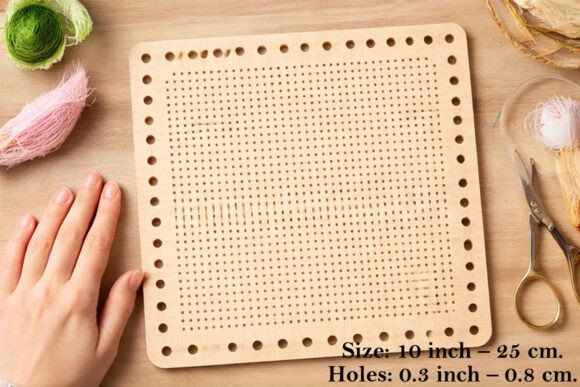
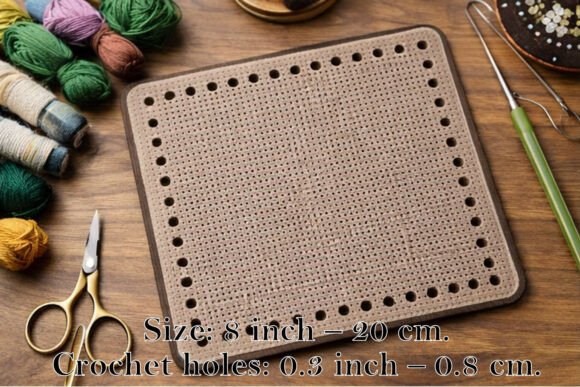
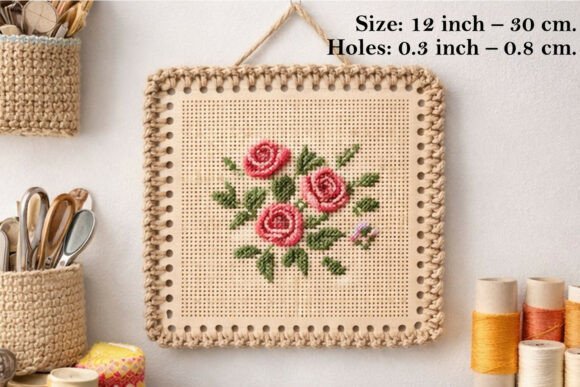
- Product Labels: The square format, measuring 12 inches or 30 centimeters in height and width, provides ample space for hang tags or attached labels. This allows for clear communication of brand story and ingredients without cluttering the product itself.
- Social Media Graphics: The geometric symmetry of the basket makes it an excellent prop for product photography. When used in product mockups, it adds depth and context to flat-lay images, improving engagement on platforms like Instagram and Pinterest.
- Promotional Visuals: I used the silhouette of the basket in marketing visuals for seasonal campaigns. It served as a frame for text in flyers and posters, creating a cohesive look across digital and print media.
- Thank-You Cards: The aesthetic of the basket influenced the design of insert cards, using similar line weights and organic motifs to reinforce the small business branding narrative.
Enhancing Business Presentation and Trust
One of the most significant benefits of using a structured asset like the Digital File Plywood Embroidery Basket B is the improvement in visual hierarchy. In retail environments, whether online or in-store, clarity is king. This basket provides a defined boundary for the product, drawing the eye directly to the item inside. This stronger first impression leads to better product recognition and a more professional appearance.
For local businesses, consistency is key to building customer trust. By integrating this design element into various design assets, from website banners to physical printable design inserts, the brand presents a unified front. This consistency signals professionalism and reliability, which are crucial for converting browsers into buyers. The polished look of the laser-cut wood also elevates the perceived quality of the product, allowing businesses to justify premium pricing strategies.
Ideal Use Cases and Contexts
This asset shines brightest in contexts that celebrate texture and materiality. It works exceptionally well for:
- Boutique Visuals: High-end handmade soaps, artisanal chocolates, or small-batch ceramics.
- Seasonal Packaging: Holiday gift sets where the basket can be reused by the customer, adding long-term value.
- Hero Graphics: As a central element in web design or editorial layouts, showcasing the product in its intended environment.
- Decorative Brand Elements: Used as a background texture or frame in Canva template designs for quick social media updates.
Where to Exercise Caution
Despite its versatility, there are scenarios where this asset should be used carefully. It may not suit formal corporate branding where minimalism and stark simplicity are preferred. Additionally, for very small labels or crowded product packaging, the intricate details of the embroidery pattern might get lost or create visual noise. It is crucial to ensure that the decoration does not compete with important text, such as legal information or ingredient lists. Avoid using it on low-contrast backgrounds where the subtle lines of the Laser Cutting design might become indistinguishable.
Practical Notes for Brand Designers
Before finalizing any client work or commercial design project, I always recommend a rigorous testing phase. Here are my top tips for leveraging this asset effectively:
- Test on Real Mockups: Always visualize the design on actual packaging prototypes to gauge scale and proportion.
- Check Black and White Usage: Ensure the design holds up in monochrome for cost-effective printing options.
- Preview on Small Labels: Verify that details remain clear when scaled down for price tags or stickers.
- Test with Brand Colors: Experiment with different wood stains or painted finishes to match your specific brand identity.
- Compare with Competitors: Analyze how this unique shape stands out against standard box packaging in your niche.
- Inspect File Quality: Since this listing is for DIGITAL FILES ONLY, ensure you have the correct formats. Check PNG transparency for digital overlays and SVG editability for vector adjustments.
- Font Pairing: Test the basket design beside serif, sans serif, script, and handwritten fonts to find the best typographic harmony.
- Confirm Licensing: Always verify the commercial license terms before using the asset for client work or physical product sales to avoid legal issues.
In conclusion, the Digital File Plywood Embroidery Basket B is more than just a cut file; it is a strategic tool for enhancing professional branding. By understanding its mood, applications, and limitations, local business owners and designers can create compelling, cohesive, and trustworthy brand experiences that resonate with customers. Whether you are creating social media graphics or tangible product labels, this asset offers a versatile foundation for creative excellence.