Review: Sewing and Embroidery Tools Vector Icons
As a designer who has spent years translating digital concepts into tangible threads, I approach every new machine embroidery design with a mix of curiosity and skepticism. We have all been there: you download a beautiful digital embroidery file, only to find that the stitch density is too high for delicate fabrics or the details vanish on textured materials. That is why I took a close look at Sewing and Embroidery Tools Vector Icons. This collection is not just another set of generic clip art; it is a curated suite of Illustrations and Graphics specifically tailored for the modern maker.
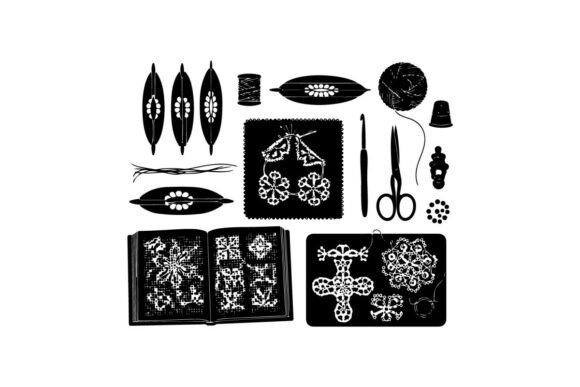
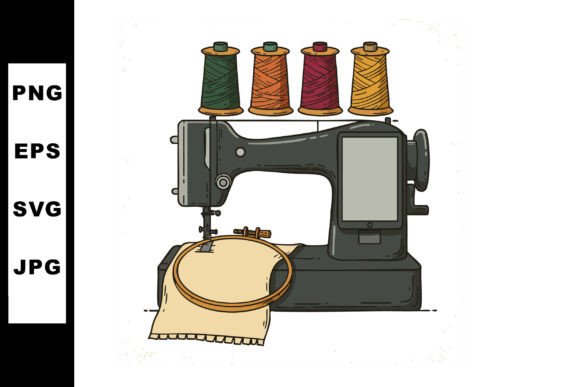
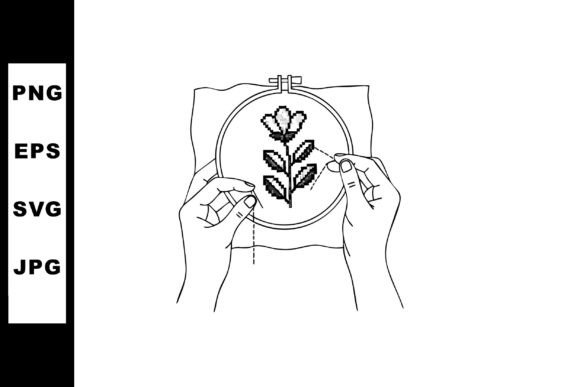
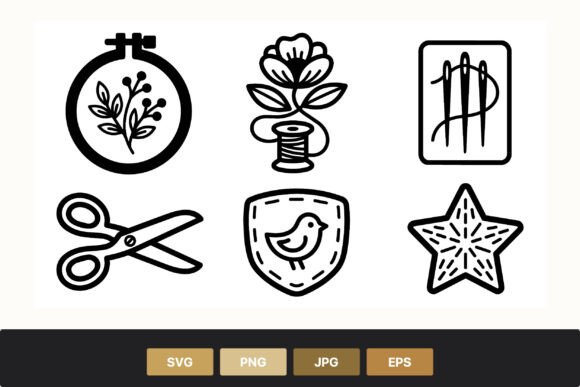
The first impression of this collection is one of refined simplicity. The black and white line art aesthetic translates exceptionally well into embroidery because it relies on clean lines rather than complex shading. The set features an embroidery hoop with a leafy branch, a flower paired with a thread spool, a needle with trailing thread, scissors, a bird patch, and a stitched star. These are not random objects; they are symbols of our craft. When I visualized these elements stitched out, I immediately saw their potential for branding and subtle decoration rather than loud, overwhelming statements.
Real-World Application: The Custom Tote Bag Test
To truly evaluate Sewing and Embroidery Tools Vector Icons, I imagined a real-life scenario that many of us face regularly: creating a custom merchandise line for a small boutique or an Etsy shop. Let’s say you are producing a run of canvas tote bags. Canvas is forgiving, but it can be heavy. You want a design that looks professional without requiring hours of machine time per unit.
The embroidery hoop with the leafy branch from this collection is the standout candidate here. Its organic shape complements the natural fiber of a tote bag. Because the design uses line art, it likely relies on running stitches or light satin stitches rather than dense fill stitches. This is crucial for a handmade product intended for daily use. A dense design on a tote bag can cause the fabric to pucker or become stiff. By choosing a lighter, icon-based approach, you maintain the soft drape of the bag while adding a touch of artisanal charm. Customers appreciate this attention to detail; it signals that the finished product was made with care, not just mass-produced.
Versatility Across Apparel and Home Decor
Beyond tote bags, this collection shines in its versatility across different embroidery projects. Consider the bird patch and the stitched star. These smaller, self-contained icons are perfect for embroidered patch creation or direct application on custom apparel. I can easily see the bird icon placed on the cuff of a denim jacket or the chest pocket of a flannel shirt. It acts as a subtle badge of identity for the wearer.
For those focusing on baby embroidery, the flower with the thread spool offers a gentle, whimsical touch. However, caution is advised. When working with baby clothes, the fabric is often thin and stretchy. You must ensure that the stitch density is low enough to prevent distortion. If this vector collection translates into a lightweight stitch file, it could be ideal for onesies or burp cloths, provided you use the correct stabilizer. Always test on scrap fabric first. What looks crisp on a screen can look messy on interlock knit if the tension is off.
In the realm of home decor, the scissors and needle icons make excellent accents for kitchen towel sets or aprons. Imagine a monogrammed apron for a cooking enthusiast, with a small pair of embroidered scissors near the hem. It is a playful nod to their hobby. These small details elevate a basic item into a thoughtful personalized gift. For holiday embroidery, the stitched star is a timeless classic that can be adapted for Christmas ornaments or winter-themed pillow covers.
Navigating Technical Challenges
While the aesthetic appeal of Sewing and Embroidery Tools Vector Icons is strong, practical execution requires technical awareness. Line art designs can be tricky on certain surfaces. For instance, if you are attempting sweatshirt embroidery, the fleece texture can swallow up fine lines. In such cases, you might need to adjust the stitch type from a simple running stitch to a slightly wider satin stitch to ensure visibility. Similarly, on dark fabrics, your choice of thread colors becomes critical. High contrast is non-negotiable for line art to remain legible.
Another area requiring careful consideration is curved surfaces, such as caps or hats. The embroidery hoop icon, being circular, might seem like a natural fit for a cap front. However, you must check the hoop size compatibility. If the design is too large, it will distort on the curved panel. Always review the dimensions of the embroidery file before loading it into your machine. If the design includes tiny details, like the eye of the needle or the petals of the flower, ensure they are scaled appropriately for the fabric texture you are using. Dense corners can lead to thread breaks or bird nests if the machine cannot handle the sudden change in direction.
Enhancing Brand Value and Customer Trust
From a business perspective, using cohesive design assets like this collection helps build brand consistency. If you are an Etsy seller or run a small shop, having a unified visual language across your products creates a professional image. Using the same icon style on your packaging, your social media printable mockup previews, and the actual products reinforces brand recognition. Customers are more likely to trust a seller who presents a polished, consistent aesthetic.
Moreover, these icons serve as excellent marketing tools. You can use the digital files to create engaging content for your social media channels, showing behind-the-scenes processes or highlighting specific features of your craft business. This dual utility—both as a physical embroidery element and a digital graphic—adds significant value to the purchase. It allows you to streamline your workflow by using the same visual elements across different platforms.
Practical Designer Notes for Best Results
Before you commit to a large production run using Sewing and Embroidery Tools Vector Icons, keep these practical tips in mind:
- Test on Scraps: Always stitch out the design on the same fabric and stabilizer combination you plan to use for the final product. This reveals any issues with puckering or thread breaks.
- Check Contrast: Ensure your thread color stands out against the fabric. For line art, high contrast is essential for clarity.
- Review Stitch Density: If the file allows for editing, check the density. Lower density is better for stretchy or thin fabrics to maintain comfort and shape.
- Confirm Licensing: Before selling finished items or using the graphics in commercial branding, verify the license terms associated with the download. Understand whether it covers commercial embroidery use.
- Mockup Testing: Use the vector files to create digital mockups on both light and dark backgrounds to visualize how the design will pop in different contexts.
In conclusion, Sewing and Embroidery Tools Vector Icons is a versatile and thoughtful addition to any designer’s library. It bridges the gap between digital illustration and tactile craft, offering elements that are both symbolic and functional. Whether you are creating a small shop product line, preparing holiday gifts, or enhancing your brand consistency, this collection provides the clean, professional look that modern consumers crave. Just remember to respect the technical limitations of your materials and machine, and you will produce stunning, high-quality results.