Reviewing the Embroidery Floral Tumbler Wrap
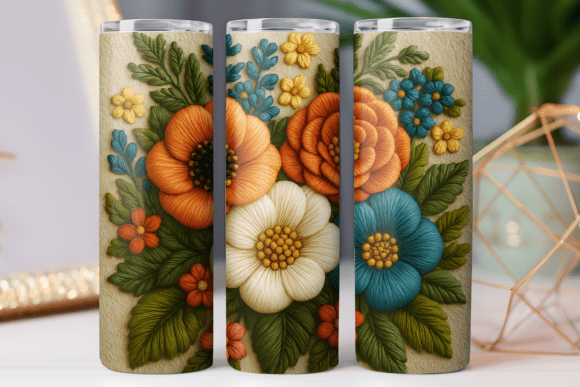
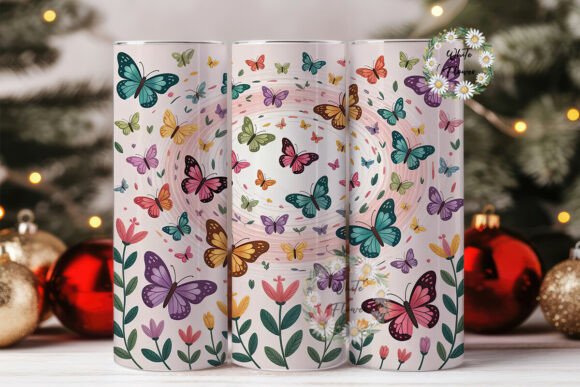
As a designer who has spent countless hours digitizing patterns and testing stitch-outs on everything from thick denim to delicate silk, I approach every new Embroidery Floral Tumbler Wrap Photo Art with a critical eye. We are not just looking at pretty pictures; we are evaluating how a design translates from a digital screen to physical thread. When I first opened the files for this specific floral wrap, my immediate thought was about versatility. While the product description labels it as a sublimation digital download PNG for 20 oz skinny tumblers, the artistic merit of the floral arrangement begs the question: how does this aesthetic perform when adapted for stitched textiles?
The visual personality of this design is soft, organic, and inviting. It avoids the rigid, clip-art feel that plagues many mass-market graphics. Instead, it offers a hand-painted quality that suggests movement and depth. For an embroidery designer, this is both a blessing and a challenge. The nuanced shading and overlapping petals create a mood of gentle elegance, making it ideal for boutique-style products. However, translating photographic art into thread requires careful consideration of stitch types and density. If you are planning to use this inspiration for a custom embroidered tote bag or a high-end sweatshirt, you must look beyond the surface image and think about the mechanics of the machine.
Real-World Application and Mood
Let’s consider a real-life scenario. Imagine you are preparing a line of personalized gifts for a spring wedding season. You want to offer embroidered aprons for the bridal party or custom pillow covers for the reception decor. The Embroidery Floral Tumbler Wrap Photo Art provides a perfect thematic backbone for such projects. The layout is balanced, with a natural flow that wraps well around curved surfaces. In a stitching context, this curvature translates beautifully to the sleeve of a baby onesie or the corner of a kitchen towel.
The mood created by this floral arrangement is one of calm sophistication. It does not scream for attention but rather invites closer inspection. This is crucial for handmade products where perceived value is tied to craftsmanship. When a customer holds an embroidered item, they are looking for clarity and intentionality. A design that feels rushed or overly complex can detract from the quality of the garment. This particular floral motif strikes a balance, offering enough detail to be interesting without becoming a tangled mess of threads.
Performance in Embroidery Projects
When adapting this graphic for actual embroidery, we must discuss stitch execution. The original file is a PNG intended for sublimation, meaning it relies on color gradients rather than stitch paths. To bring this to life as a machine embroidery design, you would need to digitize it carefully. The larger floral elements would benefit from a combination of fill stitch for the petals and satin stitch for the outlines or stems. This contrast adds texture and dimension, preventing the design from looking flat.
For custom apparel like t-shirts or hoodies, the density of the design is a key factor. High stitch density can cause puckering, especially on lighter fabrics. If you are creating a tote bag design using canvas or heavy cotton, you have more leeway with dense fills. However, for a delicate baby embroidery project on a soft knit, you must reduce the density and perhaps incorporate running stitch details to keep the fabric flexible and comfortable against the skin.
I also see potential for this design in embroidered patch creation. Patches allow for higher density and the use of tear-away stabilizers that might not be suitable for direct-to-garment stitching. A floral patch based on this artwork could be ironed onto denim jackets or backpacks, offering a versatile way to utilize the art without committing to permanent stitching on the main garment.
Where Caution is Required
While the aesthetic is strong, there are areas where this design requires careful handling. Small hoop sizes can be problematic if the floral arrangement is large. You may need to split the design into multiple sections, which requires precise alignment skills. Additionally, textured fabrics like terry cloth or heavy fleece can obscure fine details. If the original PNG has tiny leaves or intricate center details, these may get lost in the pile of the fabric.
Dark fabrics present another challenge. Since this is a floral design, it likely contains light and pastel tones. Stitching light thread colors on dark fabric requires a solid underlay or a backing fabric to prevent the base color from showing through. Without proper stabilization and underlay, the vibrancy of the thread colors will be muted, and the design will lack pop. Always test your tension and needle size on scrap fabric before committing to the final piece.
Enhancing Visual Appeal and Brand Value
For Etsy sellers and small shop owners, the uniqueness of your design assets directly impacts buyer engagement. Using a distinctive floral motif like this helps establish brand consistency. If your shop specializes in romantic, vintage, or botanical themes, this design fits seamlessly into that narrative. It enhances the perceived value of the finished product, making it feel like a curated piece of art rather than a generic commodity.
Customer trust is built on quality. A well-executed embroidery project demonstrates professionalism. When the stitches are clean, the colors are vibrant, and the design is appropriately scaled, customers are more likely to leave positive reviews and return for future purchases. This design, when properly digitized and stitched, can serve as a cornerstone for a collection of holiday embroidery items or year-round personalized gift options.
Practical Designer Notes
Before you begin stitching, here are some essential steps to ensure success:
- Test on Scrap Fabric: Always run a test stitch-out on the same type of fabric you plan to use for the final product. This allows you to check for puckering, thread breaks, and color accuracy.
- Check Thread Color Contrast: Compare your thread choices against the fabric background. Use a color chart to ensure the floral elements stand out clearly.
- Review Stitch Density: If you are digitizing this from the PNG, adjust the density based on the fabric weight. Lighter fabrics need less density.
- Confirm Hoop Size: Ensure your machine hoop can accommodate the full design or plan for multi-hooping if necessary.
- Inspect Small Details: Zoom in on the digital file to identify any tiny elements that may not stitch well. Simplify or remove them if needed.
- Use Proper Stabilizer: Choose the right stabilizer for your fabric. Cut-away stabilizers are best for stretchy knits, while tear-away works well for woven cottons.
- Verify Licensing: Since the original product is a digital download for sublimation, confirm whether you have the rights to use the image for commercial embroidery projects. Do not assume that purchasing a PNG grants unlimited commercial rights for stitched goods.
In conclusion, the Embroidery Floral Tumbler Wrap Photo Art offers a beautiful foundation for textile design. While it is marketed as a sublimation graphic, its artistic qualities make it a strong candidate for embroidery adaptation. By paying attention to stitch types, fabric compatibility, and density, you can transform this digital asset into stunning, tangible products that resonate with customers and elevate your craft business.